
Tea 101: Proper Loose Leaf Tea Storage
Why Proper Storage for Loose Leaf Tea Matters
If you’ve ever brewed a cup of tea that tasted flat or dull, storage may be the culprit. Loose leaf tea is delicate—it absorbs odors, reacts to light, and degrades quickly when exposed to air or moisture. Since premium teas are an investment in flavor and wellness, protecting them ensures every cup is worth savoring.
Think of tea leaves like fresh herbs: while they may not wilt overnight, their essential oils and aromatics are what make them flavorful. Exposure to the wrong conditions causes those oils to evaporate, leaving you with lifeless leaves.
The goal of proper tea storage is simple: keep the tea away from its enemies—air, light, heat, and moisture.

The Enemies of Loose Leaf Tea
1. Air (Oxygen)
Oxygen is one of the fastest ways tea degrades. Over time, exposure to air causes oxidation, dulling both aroma and flavor. Even black teas that are oxidized lose their brightness when they are left unsealed.
TIP: Use an airtight container and avoid frequent opening if you’re storing in bulk.
2. Light
Just like wine, light exposure damages tea. Sunlight and even strong indoor lighting break down natural compounds in the leaves, making the tea taste stale and sometimes even musty.
TIP: Never store tea in clear jars on the counter, no matter how pretty they look. Choose opaque or tinted containers.
3. Heat
Heat speeds up the breakdown of tea leaves. Even if they don’t “cook,” higher temperatures accelerate chemical reactions that reduce flavor.
TIP: Store tea away from stovetops, ovens, or sunny windows. A cupboard or pantry is best.
4. Moisture
Tea leaves are naturally dry, which keeps them shelf-stable. But when exposed to humidity, they can absorb moisture quickly. Not only does this ruin flavor, it can also lead to mold growth.
TIP: Keep tea in a dry environment, away from sinks, dishwashers, or refrigerators.
5. Odors
Tea is like a sponge—it absorbs surrounding smells. Storing your tea near spices, coffee, or cleaning products will change its taste over time.
TIP: Always use odor-free, food-safe containers. Avoid storing tea in unlined wooden boxes, which easily absorb surrounding aromas.

Choosing the Right Storage Containers
Not all containers are created equal when it comes to preserving tea. Here’s a breakdown:
Best Options
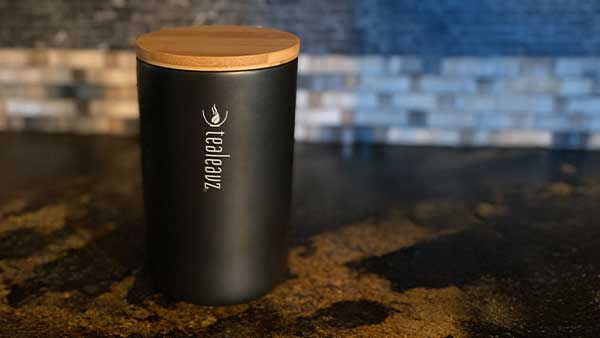
- Ceramic Jars (with a seal): Using an opaque airtight canister is excellent for loose leaf tea. It keeps your tea cool and protected.
- Tea Tins: Lightweight, airtight, and opaque. A classic choice for tea storage. Also perfect for taking with you on travel.
- Dark Glass Jars: Only acceptable if kept in a dark cupboard—never on display.
- Vacuum-Sealed Bags: Often used by tea sellers for freshness. Great if you only open them occasionally.
Avoid These
- Clear Glass Jars on the Counter: Pretty, but exposes tea to light damage.
- Plastic Bags: Not airtight, prone to odor transfer.
- Refrigeration or Freezing: Moisture risk is high, and repeated temperature changes cause condensation.
Storage by Tea Type
While all teas share the same enemies, some are more delicate than others.
- Green and White Teas: These are the most sensitive to light, heat, and air. Store in small airtight tins in a cool, dark place and use within 6–12 months.
- Oolong Tea: Semi-oxidized, so slightly more stable. Still best consumed within a year for maximum flavor.
- Black Tea: The most durable, lasting 1–2 years when stored correctly.
- Herbal Teas (Tisanes): Sensitive to odors and moisture since they often include flowers, fruits, or spices. Store separately from true teas.
- Pu-erh Tea: This is the exception to the rule. Aged Pu-erh is a fermented tea that benefits from aging under controlled airflow and humidity.

Loose Leaf Tea Storage Mistakes to Avoid
Leaving Tea in Paper Bags
Many teas are sold in paper pouches, but these are only meant for short-term use. Always transfer to a proper container.
Storing in the Fridge
The moisture and odor risks far outweigh any benefit. Unless you’re aging pu-erh with intention, keep tea out of the refrigerator.
Mixing Flavored and Unflavored Teas
Flavored teas can pass along their aroma to unflavored varieties if stored together. Keep them separate.
Organizing Your Tea Collection
Proper storage also means keeping your teas organized so you don’t forget what you have.
- Label Containers: Include tea type, origin, and purchase date.
- Rotate Stock: Drink older teas first.
- Separate Sections: Keep green, black, herbal, and flavored teas apart for freshness.
Frequently Asked Questions
How long does loose leaf tea last?
On average, 6 months to 2 years depending on type and storage. Green teas are more delicate; black teas hold up longer.
Can I freeze tea for long-term storage?
Not recommended. Freezing introduces condensation risks when you thaw and refreeze.
Why does my tea taste stale?
Likely due to light, air, or odor exposure. Check your container and location.
Final Thoughts
Good tea is too precious to waste on bad storage. By keeping it away from light, air, heat, and moisture, you’ll preserve its flavor and aroma for months of enjoyment. Think of tea storage as part of your tea ritual—just as important as the water temperature or brewing time.
When stored with care, your loose leaf tea will deliver a consistently fresh, flavorful cup. A reminder why you chose loose leaf over bags in the first place.
Previous article

Next article