
The Best Milk for Matcha Lattes
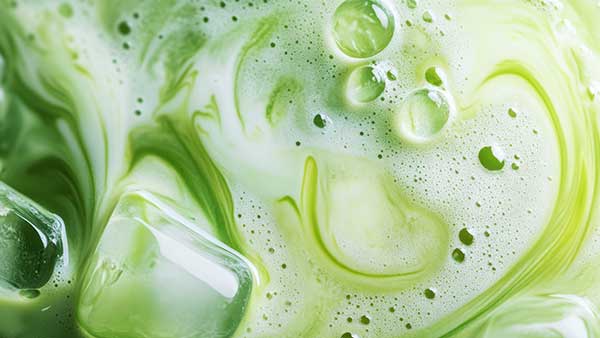
Creamy, Frothy, and Delicious
The vibrant, earthy flavor with a creamy frothing of Matcha lattes have taken the beverage world by storm. The perfect matcha latte doesn’t just rely on the quality of your matcha powder. The milk you choose plays a critical role in balancing taste, froth, and nutrition.
Prefer a dairy latte with regular milk? A plant-based alternative or something in between? Choosing the right milk can elevate your daily ritual from good to truly unforgettable.
In this guide, learn about the best options for your matcha drink. Understand their flavor profiles, frothing capabilities, and nutritional details.

Dairy Milks: Classic Creaminess
Whole Milk
- Calories: ~150 per cup (8 oz)
- Carbs: 12 g
- Protein: 8 g
- Flavor: Rich, creamy, slightly sweet
Whole milk enhances the grassy notes of matcha while producing luxurious froth. Its natural sweetness balances matcha’s slight bitterness, making it ideal for classic lattes.
2% Milk
- Calories: ~120 per cup
- Carbs: 12 g
- Protein: 8 g
- Flavor: Mild, slightly creamy
A lighter option than whole milk, 2% still froths well and creates a smooth latte without the full richness of whole milk.
Skim Milk
- Calories: ~90 per cup
- Carbs: 12 g
- Protein: 8 g
- Flavor: Light, less creamy
Skim milk is perfect for a low-fat latte, though its froth is lighter and less dense. The matcha flavor becomes more pronounced with minimal creaminess.

Plant-Based Milks: Delicious Alternatives
Plant-based milks are a great option for people with lactose intolerance.
Oat Milk
- Calories: ~120 per cup
- Carbs: 16–18 g
- Protein: 3 g
- Flavor: Naturally sweet, mild, creamy
Oat milk is a favorite for matcha lattes. Its sweetness complements matcha, and barista blends froth beautifully for café-quality lattes.
Almond Milk
- Calories: ~30–60 per cup (unsweetened/sweetened)
- Carbs: 1–8 g
- Protein: 1–2 g
- Flavor: Nutty, slightly sweet
Almond milk is light and refreshing, though its foam is delicate. Unsweetened varieties let matcha shine, while sweetened almond milk creates a dessert-like latte.
Soy Milk
- Calories: ~80 per cup
- Carbs: 4 g
- Protein: 7 g
- Flavor: Neutral, slightly creamy
Soy milk is protein-rich and froths well. Its neutral flavor allows matcha to remain the star, making it a versatile option for lattes.
Coconut Milk
- Calories: ~45–60 per cup (carton)
- Carbs: 2–6 g
- Protein: 0–1 g
- Flavor: Sweet, tropical, slightly nutty
Coconut milk provides a unique, indulgent flavor. It may froth less easily, but it’s perfect for a dessert-style latte with exotic undertones.
Macadamia or Cashew Milk
- Calories: ~50–70 per cup
- Carbs: 1–3 g
- Protein: 1–2 g
- Flavor: Buttery, rich, nutty
These nut-based milks have a luxurious creamy texture. They froth reasonably well and pair beautifully with the earthy notes of matcha.

Tips for Frothing and Brewing the Perfect Latte
Regardless of your milk choice, a few tips can elevate your homemade matcha latte:
Use a barista blend when possible:
This applies to the matcha as well as the milk.
Finely ground Ceremonial matcha is much more delicate, expensive, and cultivated for traditional tea ceremonies. The delicate, umami-rich flavor of Ceremonial matcha is suited for whisking in water. However, it doesn’t always froth well with milk. Milk or sweeteners also mask its prized flavor and subtle aromas.
Coffee shops typically use a barista-grade matcha which is slightly more robust. It is designed to mix smoothly into milk. It produces a consistent texture for frothing or blending.
Many plant-based milks also come in barista-friendly versions designed for frothing. These blends often contain oil that helps prevent the milk from separating or curdling in hot beverages. They also helps the milk to foam up more easily and consistently. The barista version also results in a richer, creamier texture that closely resembles dairy milk in matcha lattes.
Tips for Frothing and Brewing the Perfect Latte
Regardless of your milk choice, a few tips can elevate your homemade matcha latte:
- Heat milk gently: Avoid boiling milk; 140–150°F (60–65°C) is ideal.
- Whisk or froth vigorously: Use a milk frother or bamboo whisk for a creamy microfoam.
- Sweeten mindfully: Matcha is slightly bitter; honey, agave, brown sugar, or maple syrup complement without overpowering.
- Experiment with ratios: Start with a 1:1 milk-to-matcha ratio and adjust to taste.

What is the Best Milk for Iced Matcha Lattes?
When it comes to iced lattes, the milk you choose can make or break your drink. Iced lattes require milk that preserves a creamy consistency when poured over ice. It should enhance the matcha flavor without curdling or splitting.
With so many dairy and plant-based options available, it can be tricky to know which one delivers the best taste and texture.
When considering overall performance in iced lattes—one milk stands above the rest:
Oat Milk (Barista Version)
Here’s why it wins:
- Creaminess: It’s naturally creamy and slightly sweet, giving a smooth mouthfeel similar to whole milk.
- Cold Stability: Unlike some plant-based milks, oat milk mixes well with ice and matcha without separating or curdling.
- Frothing: Barista versions froth well even when cold, so you can get that microfoam on top for a café-quality latte.
- Flavor Balance: Its mild flavor complements espresso or matcha without overpowering it.
Runner-up?
Whole milk is the classic choice for your iced latte if you prefer dairy. It’s rich, creamy, and smooth. But it can also be heavier and slightly higher in calories.
Craving a Matcha Latte?
Choosing the best milk for your matcha latte is a personal journey influenced by taste, texture, and nutrition. For creamy classic lattes, whole milk or oat milk are perfect. For lighter options, almond or 2% milk works beautifully. Soy milk offers a protein boost, and coconut or other nut milks add indulgent flavor twists.
Experimenting is key. Try different milks and frothing methods until you craft a latte that’s perfectly suited to your palate. The right milk can turn your daily cup into a comforting ritual you’ll look forward to every morning.
Previous article
Next article


